
Navigating the landscape of personal finance requires more than just understanding how to invest in the stock market or contribute to a 401(k); it demands a robust defensive strategy. In the realm of wealth management, car insurance is often viewed merely as a monthly bill or a legal necessity. However, for the financially savvy individual, car insurance is a critical risk-management tool designed to protect your net worth from the catastrophic financial impact of an accident.
Finding the “best” car insurance is not a one-size-fits-all endeavor. The “best” policy is the one that offers the optimal intersection of comprehensive coverage, financial stability of the provider, and a premium that fits within your broader financial plan. This guide examines car insurance through the lens of personal finance to help you determine which provider and policy structure will best serve your long-term economic interests.
1. Understanding the Financial Mechanics of Auto Insurance
Before selecting a provider, one must understand the financial variables that dictate the cost and efficacy of a policy. Car insurance is essentially a contract where you transfer the risk of significant financial loss to an insurance company in exchange for a fee, known as a premium.
The Balancing Act: Premiums vs. Deductibles
The most direct impact car insurance has on your monthly cash flow is the premium. However, the premium is inextricably linked to your deductible—the amount you pay out of pocket before the insurance kicks in. From a personal finance perspective, choosing a higher deductible can be a strategic move to lower your monthly expenses. If you have a robust emergency fund, opting for a $1,000 deductible instead of $250 can save you hundreds of dollars annually in premiums. This “self-insuring” for small losses allows you to keep more of your capital working for you in high-yield accounts.
The Impact of Credit Scores on Financial Risk
In many jurisdictions, insurance companies use a “credit-based insurance score” to determine your premium. From a financial management standpoint, this highlights the interconnectedness of your financial health. A higher credit score signals to insurers that you are a lower risk, leading to significantly lower premiums. Maintaining a high credit score is therefore not just about securing low interest rates on loans, but also about minimizing the recurring costs of your protective hedges.
The Role of Depreciation and Gap Insurance
For those who finance or lease a vehicle, the “best” insurance must account for the rapid depreciation of the asset. A standard policy typically pays out the Actual Cash Value (ACV) of the car. If you owe $30,000 on a car that is only worth $22,000 at the time of an accident, you are left with an $8,000 “gap” or a negative net worth on that asset. Incorporating Gap Insurance into your financial strategy is essential for protecting your liquidity in the event of a total loss.
2. Evaluating Coverage Types for Comprehensive Wealth Protection
When people ask “what is the best car insurance,” they are often looking for the best coverage. While “minimum liability” is the cheapest option, it is rarely the best financial choice for someone with assets to protect.
Liability Coverage: Protecting Your Net Worth
Liability insurance is the most important component of your policy because it protects you from lawsuits. If you are at fault in an accident that causes $250,000 in medical bills but your liability limit is only $50,000, your personal assets—savings, home equity, and future wages—could be seized to cover the difference. To determine the “best” liability limit, you should evaluate your total net worth. For many, a “100/300/100” policy ($100,000 per person, $300,000 per accident, $100,000 property damage) is the bare minimum for adequate asset protection.
Comprehensive and Collision: Preserving Capital
While liability protects your money from others, collision and comprehensive coverage protect your own investment. Collision covers damage from accidents, while comprehensive covers “acts of God” like fire, theft, or hail. Financially, the decision to carry these coverages depends on the value of the vehicle. If the annual cost of the coverage exceeds 10% of the car’s book value, it may be more financially prudent to drop these coverages and “self-insure” the replacement of the vehicle.
Uninsured and Underinsured Motorist Coverage: The Essential Safety Net
Approximately one in eight drivers on the road is uninsured. Even if you have the best health insurance, an accident with an uninsured driver can lead to lost wages and rehabilitation costs that are not fully covered. Uninsured Motorist (UM) coverage is a low-cost addition that acts as a financial safety net, ensuring that your financial plan isn’t derailed by another person’s fiscal irresponsibility.
3. Comparing Top-Tier Providers Through a Financial Lens
A car insurance policy is only as good as the company’s ability to pay a claim. When searching for the best provider, you must look beyond the marketing and examine their financial strength and market positioning.
Market Leaders and Financial Stability Ratings
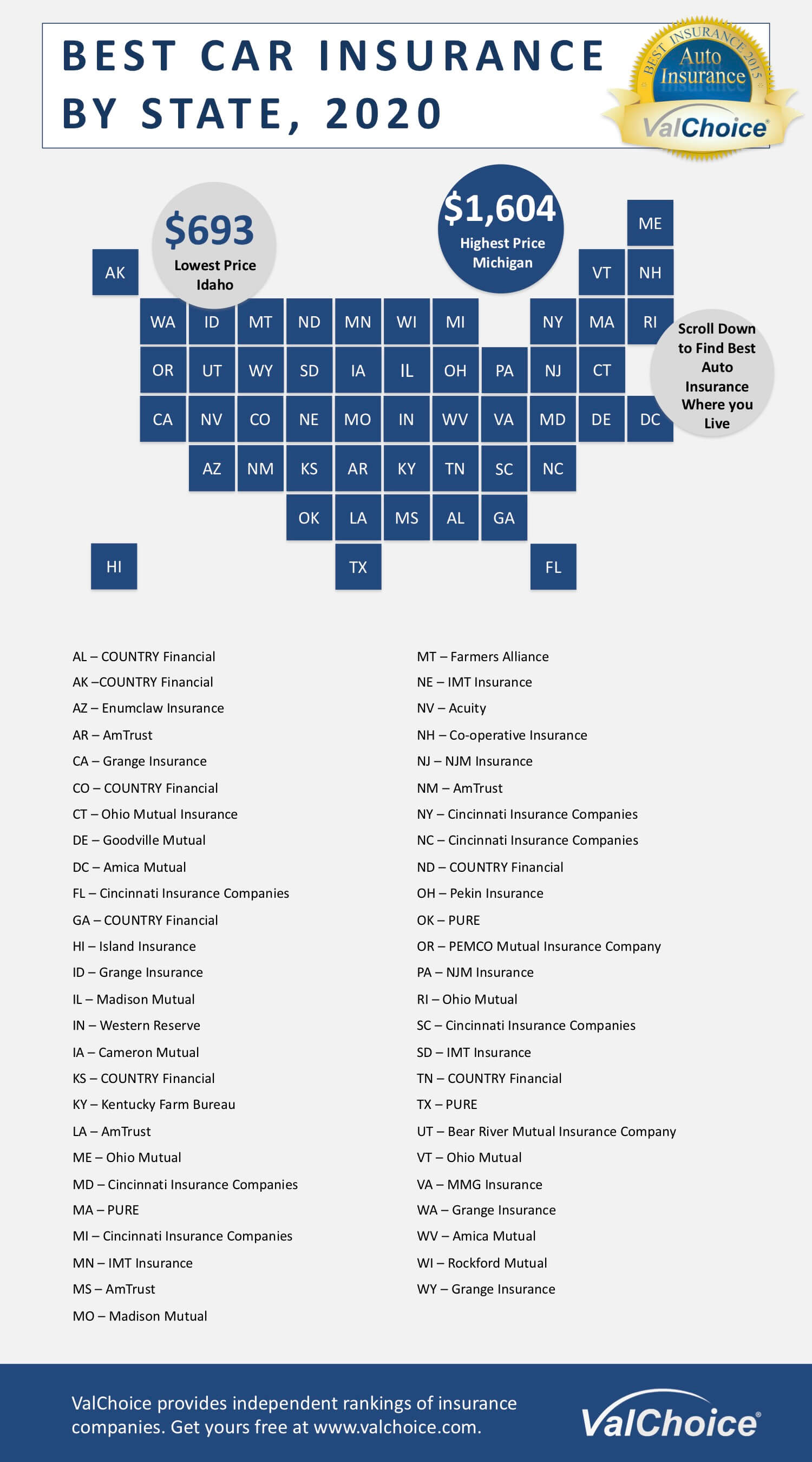
The “best” car insurance companies are those with an “A” rating or higher from AM Best, a credit rating agency that focuses on the insurance industry. Companies like State Farm, Geico, and Progressive dominate the market because of their massive capital reserves. State Farm is often cited as the best for personalized service via local agents, which can be a financial benefit when navigating complex claims. Geico is frequently the winner for those looking for the lowest premium-to-coverage ratio, allowing for more aggressive reinvestment of the savings into other financial vehicles.
The Niche Advantage: USAA and NJM
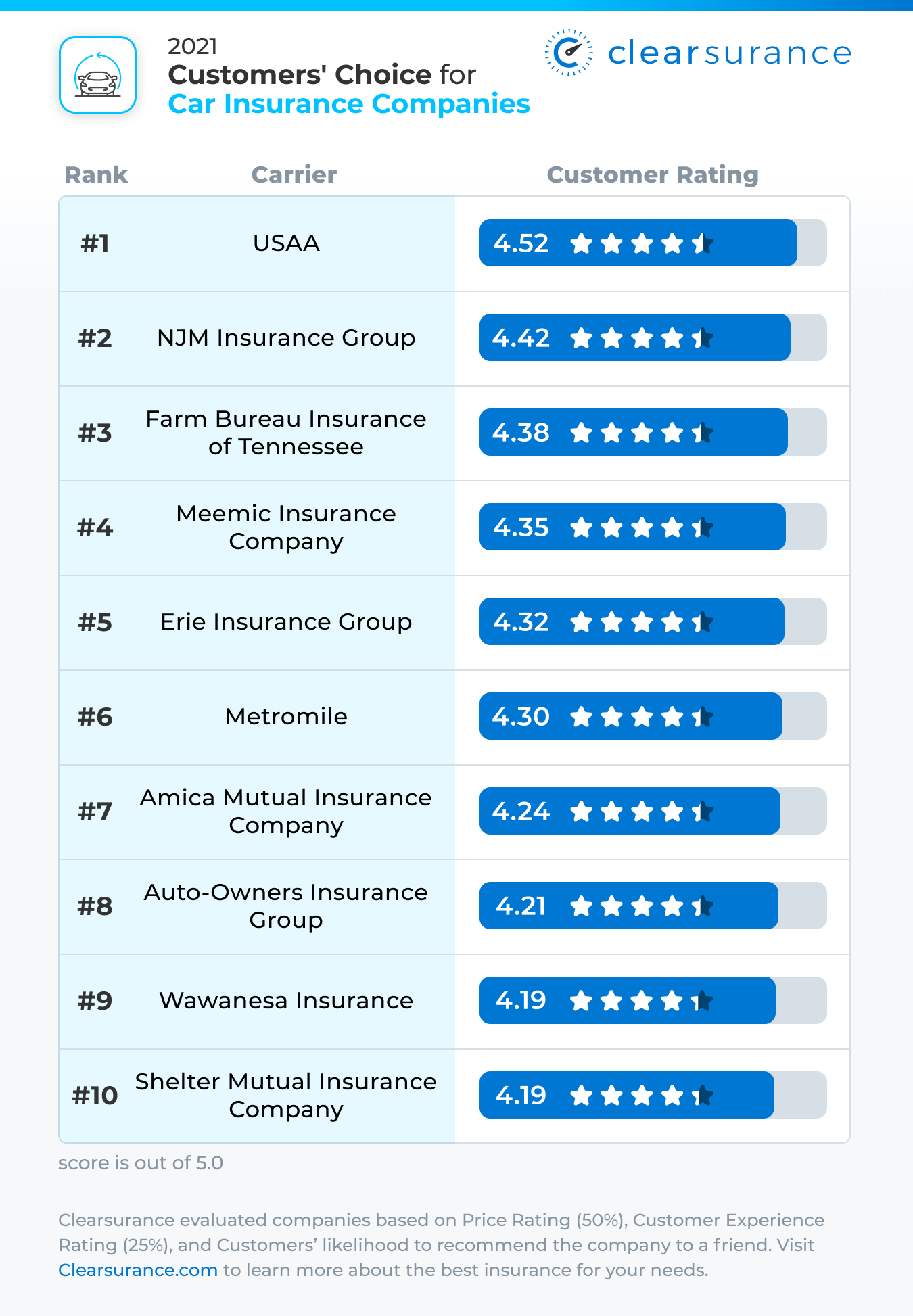
For those who qualify, USAA is consistently ranked as the best car insurance provider in the United States. Because it serves military members and their families, it operates with a lower overhead and passes those savings onto members. Similarly, NJM (New Jersey Manufacturers) often provides high dividends back to its policyholders. From a money management perspective, being part of a mutual insurance company—where policyholders essentially own the company—can lead to long-term financial returns through lower rates and annual rebates.
The Rise of Usage-Based Insurance (UBI)
Modern financial tools allow for “Precision Insurance.” Companies like Root or Metromile, as well as programs like Progressive’s Snapshot, offer premiums based on how much and how well you drive. For a remote worker or someone who utilizes public transit, switching to a pay-per-mile model can reduce insurance overhead by 30-50%. This is an excellent example of using data to optimize your personal budget.
4. Strategic Ways to Optimize Your Insurance ROI
The goal of any financial instrument is to provide the maximum return on investment (ROI). In insurance, the ROI is measured in the breadth of protection per dollar spent.
Leveraging Multi-Line Discounts and Bundling
One of the easiest ways to improve your financial position is through bundling. Insurers provide significant discounts (often 10% to 25%) if you combine your auto insurance with homeowners, renters, or life insurance. This is a classic “economies of scale” strategy; by giving one company more of your business, you lower the acquisition cost for them and the premium cost for you.
Professional and Academic Discounts
Many people fail to realize that their career or education can be a financial asset in the eyes of an insurer. Engineers, educators, and CPA professionals often qualify for “affinity discounts” because data shows these groups are statistically less likely to file claims. Always ask for a review of your “risk profile” based on your professional affiliations to ensure you aren’t leaving money on the table.
Regular Financial Audits of Your Policy
The “best” car insurance today may not be the best two years from now. As your car depreciates, your credit score improves, or your marital status changes, your risk profile evolves. It is a sound financial practice to “shop” your insurance every 12 to 18 months. Using independent agents who can run quotes through multiple carriers can ensure you are always paying the current market rate for your risk level.
Conclusion: The Final Verdict on “The Best”
In the context of personal finance and money management, the “best” car insurance is the one that successfully keeps your assets out of harm’s way without overcharging for the privilege.
If your priority is cost-efficiency, Geico or a usage-based provider like Metromile may be your best bet. If your priority is comprehensive asset protection and you have a high net worth, a bundled policy with State Farm or a specialized carrier like Chubb—supplemented with an Umbrella Policy—is the superior financial move. If you are eligible for USAA, its combination of low costs and high financial stability makes it the gold standard.
Ultimately, car insurance should not be viewed as a standalone expense, but as a integrated component of your total financial health. By understanding the mechanics of premiums, the necessity of high liability limits, and the importance of provider stability, you can turn a mundane monthly bill into a sophisticated shield for your wealth.
aViewFromTheCave is a participant in the Amazon Services LLC Associates Program, an affiliate advertising program designed to provide a means for sites to earn advertising fees by advertising and linking to Amazon.com. Amazon, the Amazon logo, AmazonSupply, and the AmazonSupply logo are trademarks of Amazon.com, Inc. or its affiliates. As an Amazon Associate we earn affiliate commissions from qualifying purchases.